 walkeaze
Dog walks · Nottinghamshire · Nottingham
Highfields Park
- 21 hectares
- Open grass
- Café
- Parking
- Playground
- Toilets
- Pond or lake
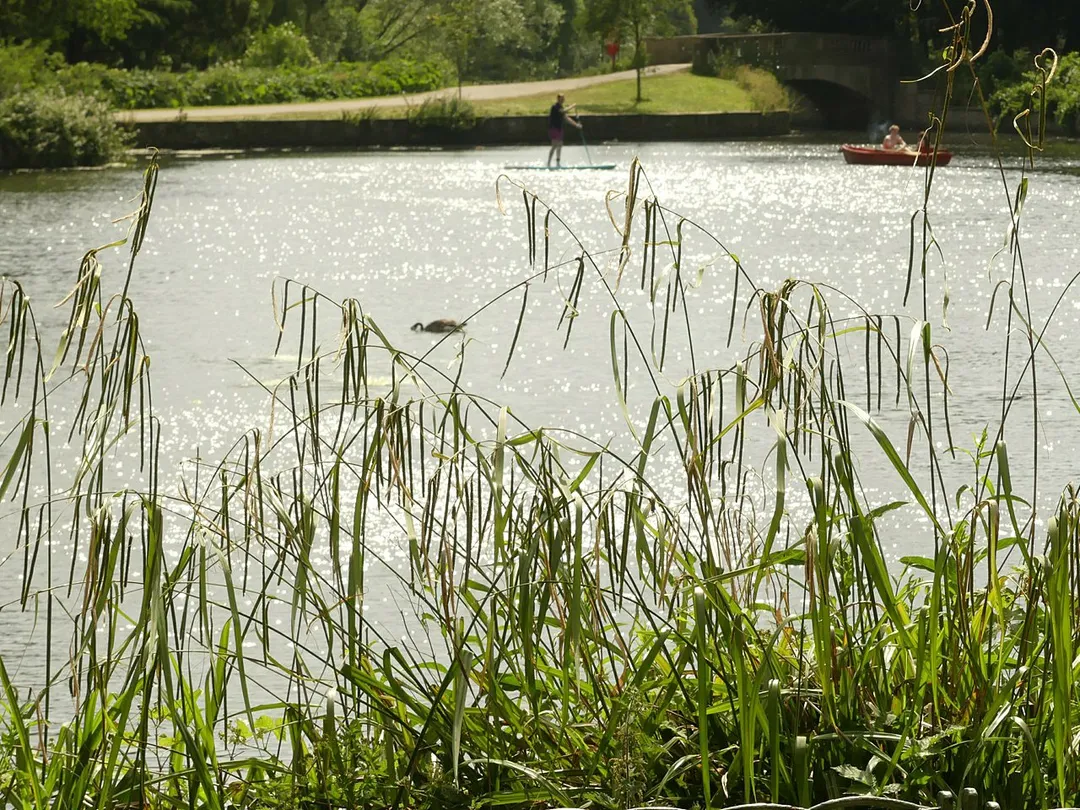
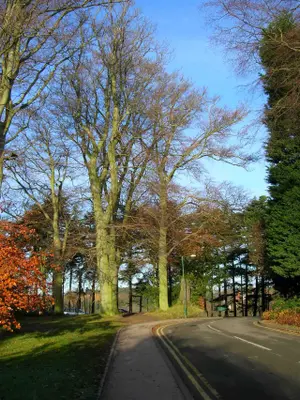
Highfields Park is a roomy park in Dunkirk of about 21 hectares. It's mostly open grass with a few wooded corners.
There's water in the park, so keep an eye on dogs that love a swim.
Dogs are generally welcome, but check signs at the gates. You'll find toilets, parking and plenty of benches. For a coffee, there's Pavilion Cafe. Note the playground: most don't allow dogs inside. Sports pitches can be busy at weekends. There are no dog bins mapped here yet, so take spare bags.
There's a car park on site. The nearest bus stop is Tennis Centre, about 160 m away. There's a mix of surfaced and natural paths.
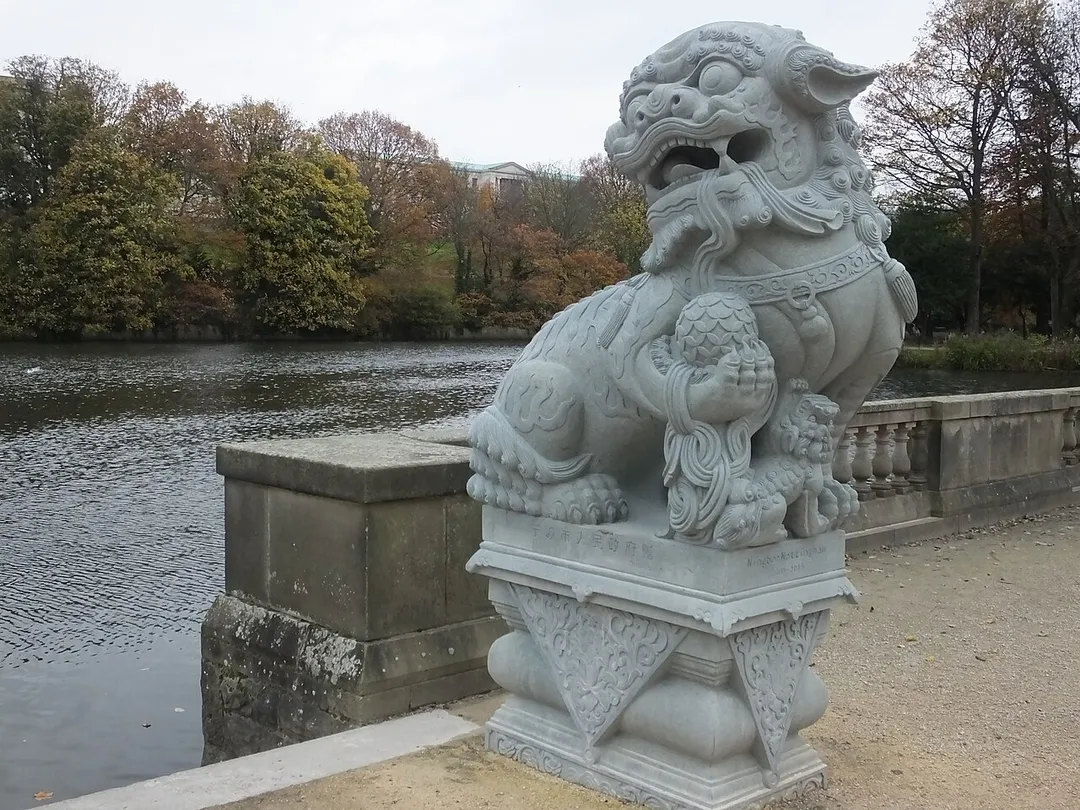
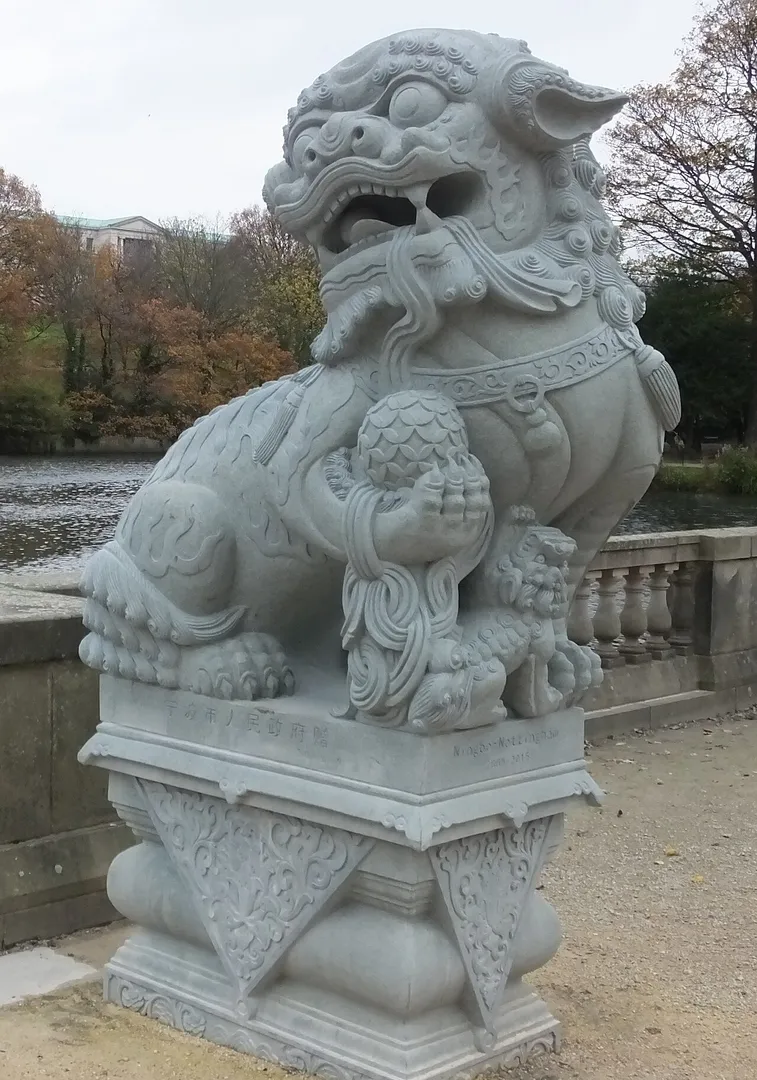
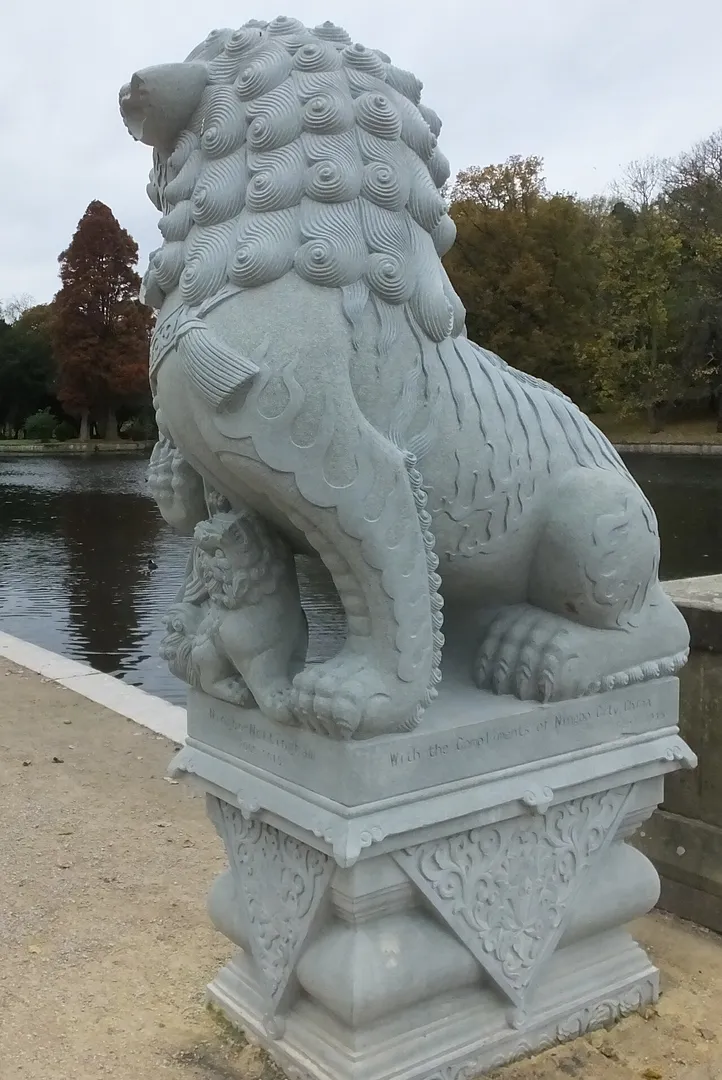
Highfields Park is Grade II listed park providing 121 acres (49 ha) of public space, in the west of Nottingham, England. It is owned and maintained by Nottingham City Council. It located alongside University Boulevard, adjoining the University of Nottingham's University Park campus. Due to its proximity to the university campus to the north, Highfields Park appears to be a part of the campus itself and therefore many refer to the whole area as University Park. There are historical ties between the park and the campus. The park contains a boating lake, complete with boats to hire throughout the summer months. The cascade and the stepping stones at the western end are Grade II listed. To the south of the lake the Tottle Brook, a tributary of the River Trent, flows on the surface, this brook is culverted for much of its length.
Where it is
Getting there
- Parking: Lakeside Public Car Park, 0 m
- Bus stop: Tennis Centre, 158 m
- Paved paths: 70%
Something wrong? Report it in the Walkeaze app or email us.
Been to Highfields Park?
Add your photos and tell other owners what it's like for dogs, in the Walkeaze app.
FreeNo advertsLocation only while you walk
More places near Nottingham
 University of Nottingham182 hectares · Open grass · CaféColwick Country Park112 hectares · Open grass · CaféColwick Woods Local Nature ReserveNature reserve · 60 hectares · Parking
Place data from © OpenStreetMap contributors and Wikipedia. Photos credited on each photo. Check signs on the ground: access, lead rules and livestock change.